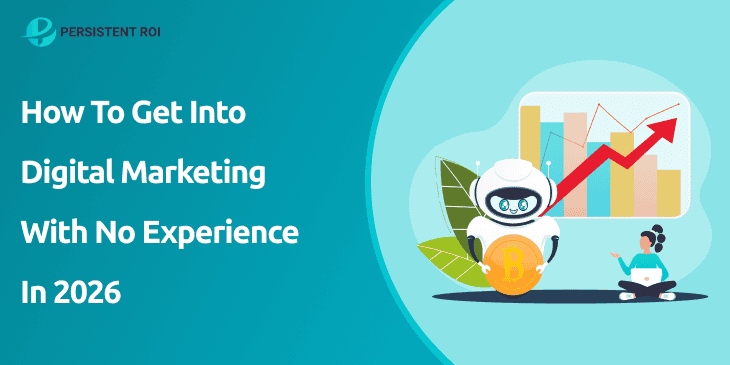

You don’t need a degree or a résumé full of agency logos to build a real career in digital marketing. Every day, people with zero formal experience land their first roles — and go on to run campaigns, grow brands, and generate serious results. What they have isn’t a pedigree. It’s a plan.
How to get into digital marketing starts with understanding what the field actually requires: curiosity, a willingness to learn tools, and the ability to think about what makes people click, read, and buy. Companies of every size need marketers who can drive traffic and convert it — including the SEO services that help businesses grow their organic reach from the ground up.
The good news? You can start building those skills today, even before anyone pays you to do it.
Key Takeaways
Starting a career in digital marketing with no experience is completely achievable when you focus on learning core skills, building a portfolio, and applying strategically. The field rewards self-starters, and free resources make it more accessible than almost any other professional path.
| Topic | Key Point |
| Is it possible with no experience? | Yes — skills and portfolio matter more than credentials |
| Best starting skills | SEO, content, email, paid ads, analytics |
| How to get experience fast | Personal projects, freelancing, volunteering |
| Top free learning resources | Google, HubSpot, Meta, Coursera |
| Time to first job | 3–12 months with focused effort |
Persistent ROI helps businesses build marketing strategies that actually move the needle — if you’re learning the ropes, studying real-world ROI-focused approaches is one of the fastest ways to level up.
Is Digital Marketing a Good Career?
Short answer: yes — and the data backs it up.
Is digital marketing a good career choice right now? The U.S. Bureau of Labor Statistics projects strong growth in marketing-related roles through 2034. Digital marketing specifically keeps expanding as more businesses shift their budgets online. The field also offers flexibility. Many roles are remote-friendly, and freelance work is abundant.
Here’s what makes it especially appealing for career changers and new grads:
- Low barrier to entry. You can start learning for free.
- Wide range of specializations. SEO, paid media, email, social, content — pick a lane.
- Fast skill development. Digital marketing tools give you real data fast, so you learn quickly.
- High demand. Every business with a website needs someone who understands how to drive and convert traffic.
The catch? Entry-level roles are competitive. Standing out requires more than a certificate — it requires proof that you can do the work.
Core Skills to Learn First
Before you apply anywhere, build a working knowledge of the fundamentals. You don’t need to master everything at once. Start with one or two areas and go deep.
Search Engine Optimization (SEO)
SEO is the foundation of most digital marketing strategies. It teaches you how people search, how search engines rank content, and how to structure websites for visibility. Learn keyword research, on-page optimization, and basic technical SEO. Free tools like Google Search Console and Ubersuggest are great starting points.
Content Marketing
Content drives almost every digital channel. Learn how to write clearly, structure articles for the web, and create content that solves real problems. Study how top brands use blogs, newsletters, and video to build audiences. A solid digital marketing strategy always puts content at its core.
Paid Advertising
Google Ads and Meta Ads are the two biggest platforms. Both offer free certification courses. Understanding how paid ads work — bidding, targeting, conversion tracking — makes you more valuable even if you specialize elsewhere.
Email Marketing
Email consistently delivers some of the highest ROI in marketing. Learn how to build a list, write subject lines that get opens, and set up basic automations. Free tiers of tools like Mailchimp and Brevo let you practice without spending a dollar.
Analytics
You need to understand what’s working. Google Analytics 4 (GA4) is free and widely used. Learn how to read traffic reports, track conversions, and use data to make decisions. Marketers who can interpret numbers are always in demand.
How to Build Experience Before Your First Job
This is where most beginners get stuck. The solution is simple: create your own experience.
Start a Personal Project
Launch a blog, a niche website, or a social media account on a topic you know well. Treat it like a real client project. Apply what you learn. Track your results. This becomes portfolio proof that you can execute — not just study theory.
Volunteer or Work for Free (Briefly)
Offer to help a local nonprofit, small business, or startup with their marketing. Keep it time-limited and scope-specific. Even one project with measurable results gives you something to show in interviews.
Freelance on Small Platforms
Sites like Fiverr and Upwork let you offer basic services — social media posts, keyword research, email copy — at entry-level rates. The goal isn’t income yet. The goal is client experience and reviews.
Audit Real Campaigns
Pick a brand you admire and do a mock marketing audit. Identify what they’re doing well and where there are gaps. Write it up. This shows analytical thinking and initiative, even without formal experience.
Persistent ROI’s resources on ROI-first marketing show exactly how real campaigns are evaluated — a great reference when building your own audits and portfolio pieces.
Where to Learn Digital Marketing for Free
You don’t need to pay for a bootcamp to get started. These platforms offer credible, free training:
- Google Digital Garage — Covers SEO, analytics, and digital fundamentals
- HubSpot Academy — Strong courses on content, email, and inbound marketing
- Meta Blueprint — Facebook and Instagram advertising training
- Google Skillshop — Google Ads and Analytics certifications
- Coursera (audit for free) — University-level marketing courses
Certifications from these platforms carry real weight with hiring managers, especially for entry-level roles.
How to Start a Career in Digital Marketing
Once you have foundational skills and a small portfolio, it’s time to position yourself for work. Knowing how to start a career in digital marketing means being strategic — not just applying everywhere and hoping.
Choose a specialization. Generalists are useful, but specialists get hired faster at the entry level. Pick one area — SEO, paid ads, content, email — and lead with it.
Optimize your LinkedIn. Treat it like a landing page. Clear headline, keyword-rich summary, and any projects or certifications listed. Recruiters search LinkedIn constantly.
Apply to junior and coordinator roles. Titles like “Marketing Coordinator,” “SEO Analyst,” “Content Associate,” or “Digital Marketing Assistant” are your targets. Many don’t require experience — they require initiative.
Prepare for practical interviews. Many companies now ask candidates to complete a small assignment. Practice auditing campaigns, writing ad copy, or analyzing data before your first interview.
Avoid common mistakes. Early-career marketers often focus too much on vanity metrics or skip the strategy layer entirely. Studying digital marketing mistakes to avoid before you start applying can give you a real edge in interviews.
Ready to put your skills to work on real campaigns? Persistent ROI offers growth-focused marketing services — and is always interested in people who think strategically about results.
Conclusion
Digital marketing is one of the most accessible fields to break into — but accessible doesn’t mean easy. It rewards people who learn consistently, build real proof of their skills, and stay curious about what actually drives results. The path from no experience to employed marketer is shorter than most people think when you stay focused on learning the right skills and showing your work.
If you’re serious about learning how to get into digital marketing, start with one skill, build one project, and keep going from there. The first step matters more than a perfect plan.
The best time to start was yesterday — the second best time is right now. Persistent ROI works with marketers and brands who are serious about growing smarter, not just louder.
FAQs
Do I need a degree to get into digital marketing?
No — most employers care more about your skills and portfolio than your degree. Certifications from Google, HubSpot, and Meta carry real weight in the hiring process.
How long does it take to get a digital marketing job with no experience?
With focused, consistent effort — learning, building projects, and applying — most people land their first role within 3 to 12 months.
What is the best first digital marketing skill to learn?
SEO is one of the most foundational skills because it underpins search visibility, content strategy, and website performance — and it’s completely learnable for free.
Can I do digital marketing as a freelancer instead of getting a job?
Yes — many marketers start freelancing before or instead of taking a full-time role. Starting on platforms like Fiverr or Upwork helps you build client experience and an income at the same time.
How do I build a portfolio with no clients?
Create your own projects — launch a blog, run a mock ad campaign with a small budget, or do a detailed audit of an existing brand. Real results from personal projects are just as compelling as client work at the entry level.